Smerdoff
Smerdoff / AI Development

LLM Integration and Monitoring for Your Product

An LLM feature that works in staging can behave very differently under real traffic — costs spike, latency creeps up, and a provider outage takes down a feature customers rely on. We integrate LLM APIs into your product with monitoring built in from day one, so you see exactly what's happening instead of finding out from a support ticket.

Multi-Provider SupportCost BreakdownLatency MonitoringProduction-Grade Reliability
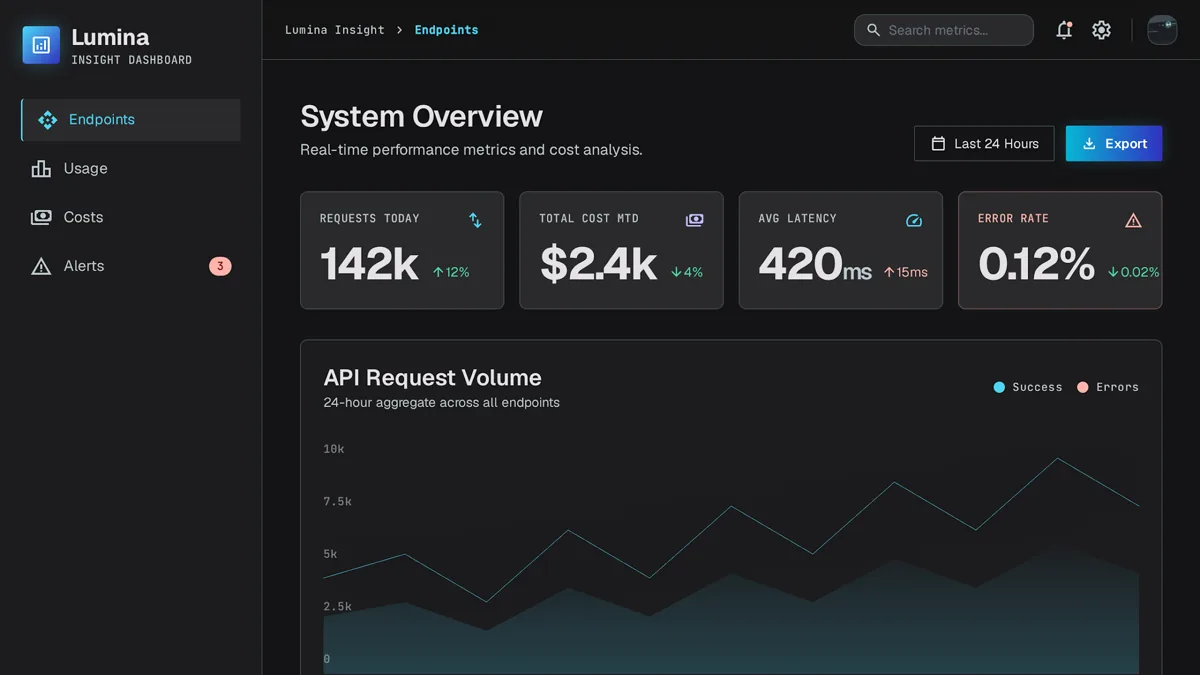
Monitoring dashboard showing LLM request volume over time and cost breakdown by provider
65%
of support queries are now resolved without a human — up from 52% in 2023
LiveChatAI
21×
more likely a lead qualifies when contacted within 5 minutes — AI replies instantly
MIT / InsideSales

Why integrate with monitoring built in, not bolted on after

LLM features fail differently than normal API calls — cost and latency issues that traditional monitoring misses.

See cost before the invoice does

Spend broken down by feature and provider, tracked in real time instead of discovered monthly.

Not locked into one provider

Architecture built to swap or mix providers as pricing and capabilities shift.

Latency you can act on

Know which requests are slow and why, instead of a vague complaint about the app feeling sluggish.

Failures degrade gracefully

Retries, timeouts, and fallbacks so a provider outage doesn't take down your feature entirely.

Fits your existing stack

Integrated into your current architecture rather than requiring a separate AI platform.

Built for scale from the start

Rate limiting and caching designed for real production traffic, not demo-level usage.

What's included in an LLM integration

Production reliability and visibility, not just a working API call.

Multi-provider architecture

Abstracted so you can route between OpenAI, Anthropic, or others without rewriting the feature.

Request volume tracking

Real-time view of how many requests are flowing through each feature and provider.

Cost breakdown by provider

Spend attributed to the specific feature and model generating it.

Latency and error monitoring

Dashboards and alerts for slow responses, timeouts, and failure rates.

Caching and rate limiting

Reduces redundant calls and protects against runaway usage or abuse.

Fallback logic

Automatic failover to a backup model or cached response when a provider is degraded.

FAQ

Dedicated observability tools are strong options if you're already building on a specific orchestration framework and want tracing for prompt chains. We integrate monitoring directly into your product's own infrastructure and stack, which gives you cost and latency visibility tied to your actual business metrics, not just chain traces.

Yes — we typically build an abstraction layer so you can route requests by cost, latency, or capability across providers without touching the feature code each time.

We build fallback logic — retries, a secondary provider, or a cached response — so a single provider outage doesn't take the feature down entirely.

Caching, rate limits, and per-feature cost tracking are part of the integration itself, so you can see cost trends early instead of after a large bill arrives.

Related

Get a free estimate for your LLM integration

Tell us what you're building and what scale you expect — we'll scope an integration with monitoring built in from the start.